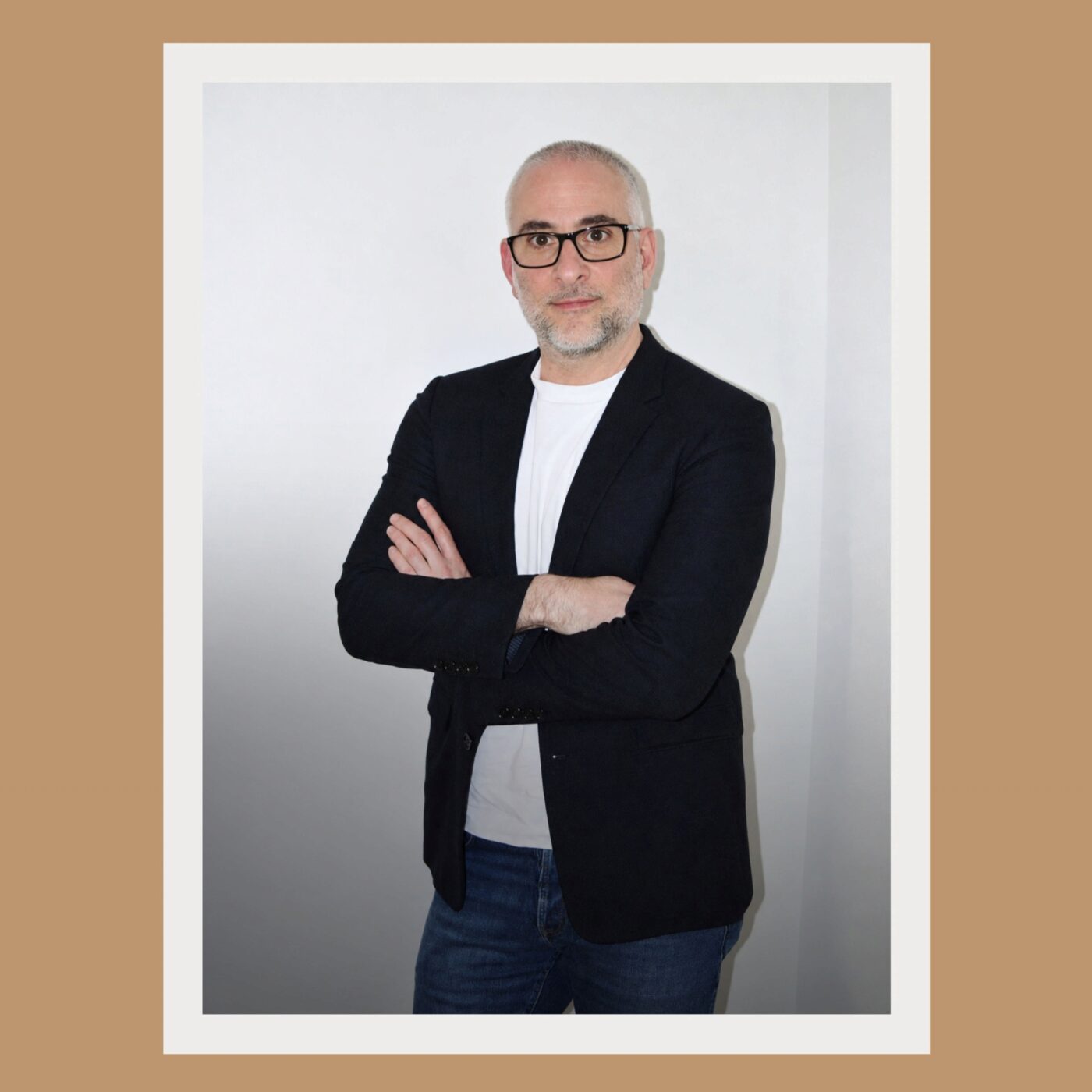
« It's never one person who creates a market. A market needs a lot of participants. »
How do you turn a designer's work into something museums want to collect and people want to live with? This week on TheBoldWay, I sit down with Marc Benda, co-founder of Friedman Benda, at the gallery in Chelsea, New York.
Born in Switzerland and raised among collectors, Marc learned to look closely at objects before he learned the business of selling them. He arrived in New York with photographs of pieces he had found in Europe and met Barry Friedman, the only dealer willing to sit down with him. Their partnership would bring the work of Ettore Sottsass and Ron Arad to new American audiences and help make room for a new generation of designers.
Marc explains what a gallery actually does for an artist, how prices are built without sacrificing a long-term market, and why collectors, curators, museums and the press must all take part in a designer's rise. We discuss nendo, Joris Laarman, the move from New York to Los Angeles and Paris, the challenge of growing without diluting your taste, and the place of Instagram and AI in the future of galleries.
A conversation about conviction, judgment and the human relationships behind the objects we come to regard as important.
In this episode, you'll discover:
- How a 21-year-old Marc Benda persuaded Barry Friedman to take a look at the objects he was selling.
- Why Friedman Benda approached designers as artists rather than asking them to make collections.
- How a market forms through artists, collectors, curators, institutions and the press.
- Why the right price protects an artist's career instead of maximizing one sale.
- How Marc balances knowledge of design history with the instinct to back something new.
- What must remain personal as a gallery grows across cities and platforms.
Timeline
00:00 : Inside Friedman Benda in Chelsea, and Marc's life in art and design
01:41 : Growing up in a Swiss family of collectors and learning to look at objects
02:43 : Photography, Sotheby's Institute and the decision to move to New York
05:21 : Barry Friedman, Paris flea markets and Marc's first steps as a dealer
08:05 : At 21, carrying photographs of his inventory from dealer to dealer in New York
10:24 : A new generation of collectors and the shift from historic to contemporary design
14:23 : Treating designers as artists, and the limits of the term « collectible design »
18:00 : What Marc learned by watching Barry Friedman buy and sell
20:10 : Bringing Ettore Sottsass and Ron Arad to the American market
22:14 : How a market forms through collectors, museums, curators and the press
24:45 : After Sottsass, the pressure to find what comes next
27:30 : Discovering a younger generation, from nendo's Oki Sato to Joris Laarman
30:32 : Why Marc and Barry created a gallery with a sharper identity
35:23 : What a gallery does for the artists and designers it represents
37:14 : Pricing an edition and building a sustainable market
40:20 : How collectors and interior designers broadened contemporary design
44:00 : Bringing artists into the different contexts of Los Angeles and Paris
46:09 : Growing without diluting, and why every object still counts
48:42 : The emotional response to an object and the role of design history
54:17 : What Marc would do differently, and sharing the business with his colleagues
57:13 : Instagram, new technologies, craft and AI
61:43 : Advice to aspiring gallerists, show work that truly matters
64:20 : New York's ability to keep reinventing itself
Distribué par Audiomeans. Visitez audiomeans.fr/politique-de-confidentialite pour plus d'informations.